Craft & design
Pottery studio
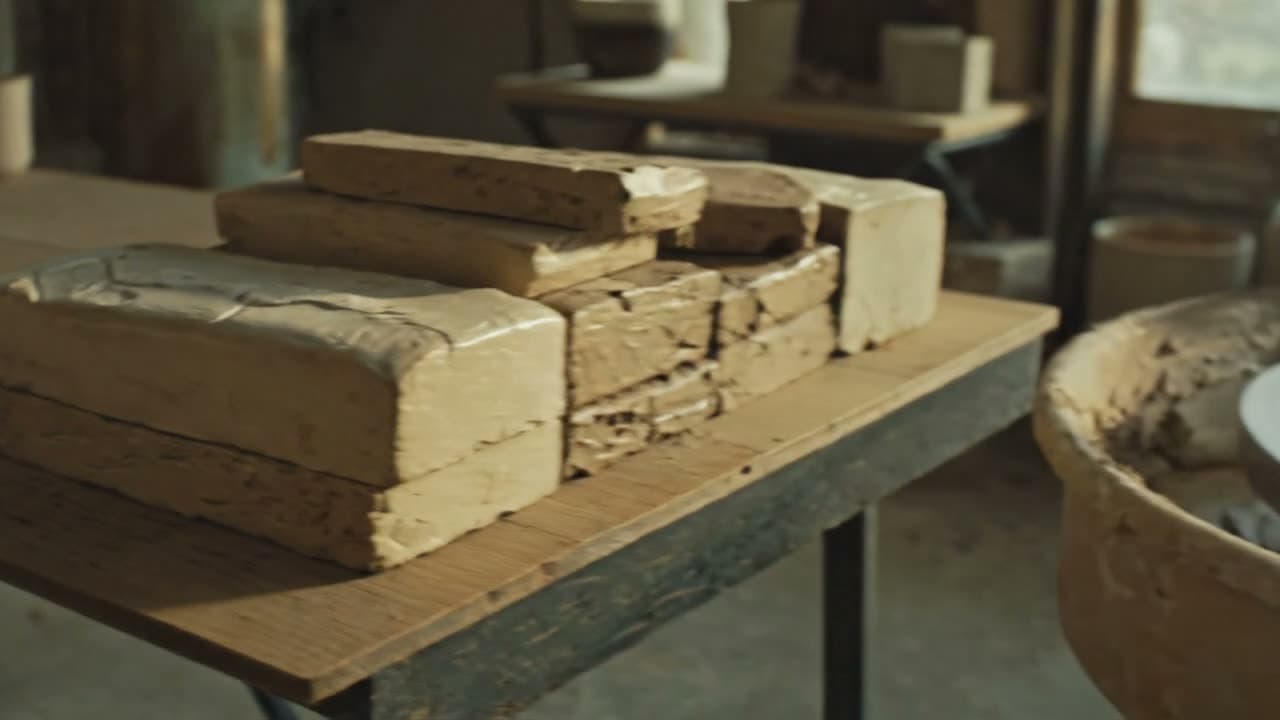
A brand film for a ceramics studio — the raw clay, the bench and the vessels on the wheel. No shoot day in the workshop.
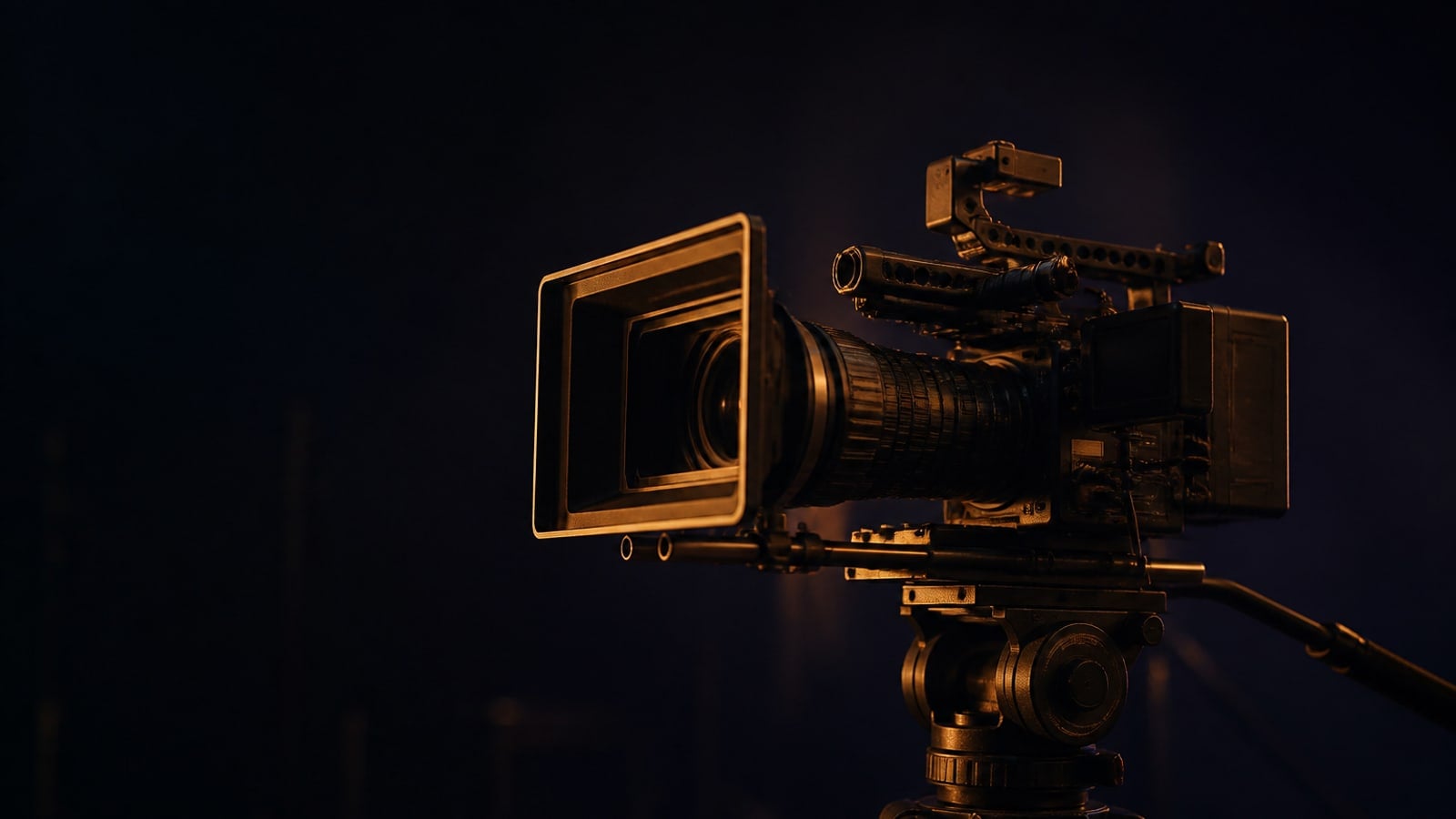
An ordinary production needs a shoot day, people, equipment and lighting conditions somebody has to wait for. A film made with AI waits for none of that — weeks become days, at a fraction of a traditional production budget.
The real cost of a brand film isn't the edit — it's the logistics. Booking a shooter, locking a location, waiting for the light, hiring kit, then discovering you need one more shot and doing all of it again. That's what turns a film into a weeks-long project and a budget line that keeps getting deferred.
When the film is made with AI, a change isn't a reshoot. Want the same shot at dusk instead of midday, or a vertical cut for Instagram alongside the horizontal one for the site — that's hours, not weeks. It also lets you show what doesn't exist yet: a property still under construction, a product before manufacture, a location nobody's flying to.
What doesn't change is the work beforehand: what the film has to achieve, who it speaks to, the line that stays in someone's head. A beautiful film that doesn't know what it's selling is a waste — in any technology.
From the script to files ready to upload, in the formats your channels need.
What the film says, in what order and to whom — before a single frame is made.
A film presenting the business, the product or the property — for the site, for meetings and for social.
Short vertical cuts for Instagram and TikTok, built to stop the scroll in the first seconds.
The same film at different lengths and ratios, so every channel gets what suits it.
Narration, soundtrack and subtitles in Hebrew or English, including a version that works with the sound off.
Revisions after the first viewing — here they're cheap and fast, so they're part of the process rather than an extra.
Four stages, most of which happen inside a week rather than a month.
What the film has to make someone do, and where it will be watched — that sets length, format and tone.
The order of scenes and the lines. You sign off here, while changing everything is still cheap.
Making the scenes, choosing the good takes, editing, soundtrack and voice.
A round of notes, then finished files in every format you need.
All of these were made end to end with AI. Not one involved a shoot day, a crew or a location.
Hover to watch, or click for full playback with controls.
A brand film for a ceramics studio — the raw clay, the bench and the vessels on the wheel. No shoot day in the workshop.
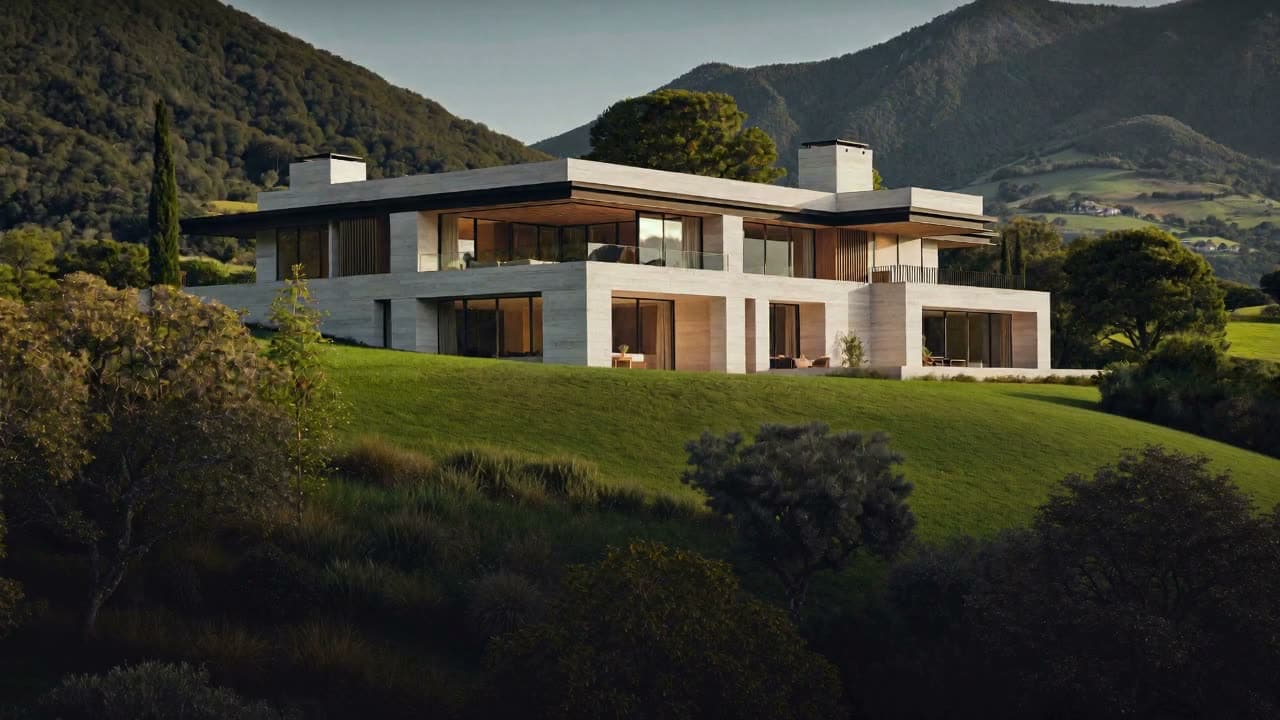
A property shown from the air and the ground. Made before the build was finished, when there is nothing to film yet.
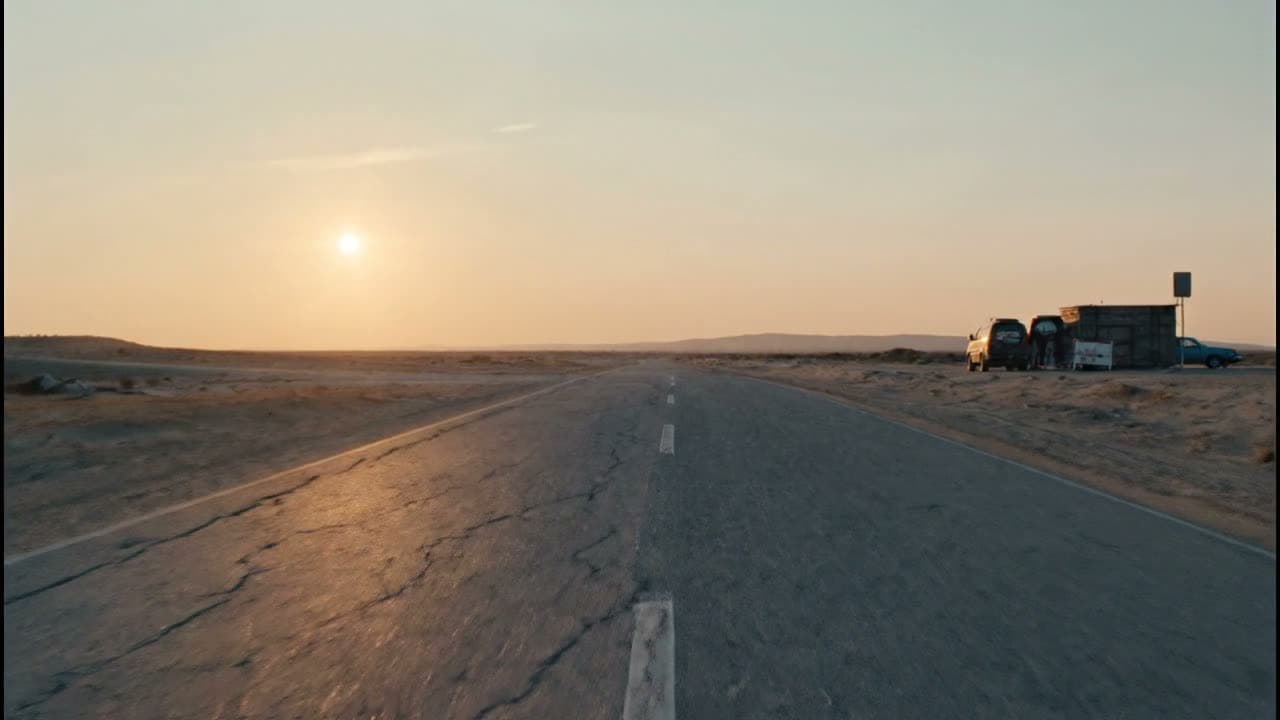
A cinematic campaign opener — a location nobody had to fly to, at an hour of light you cannot book.
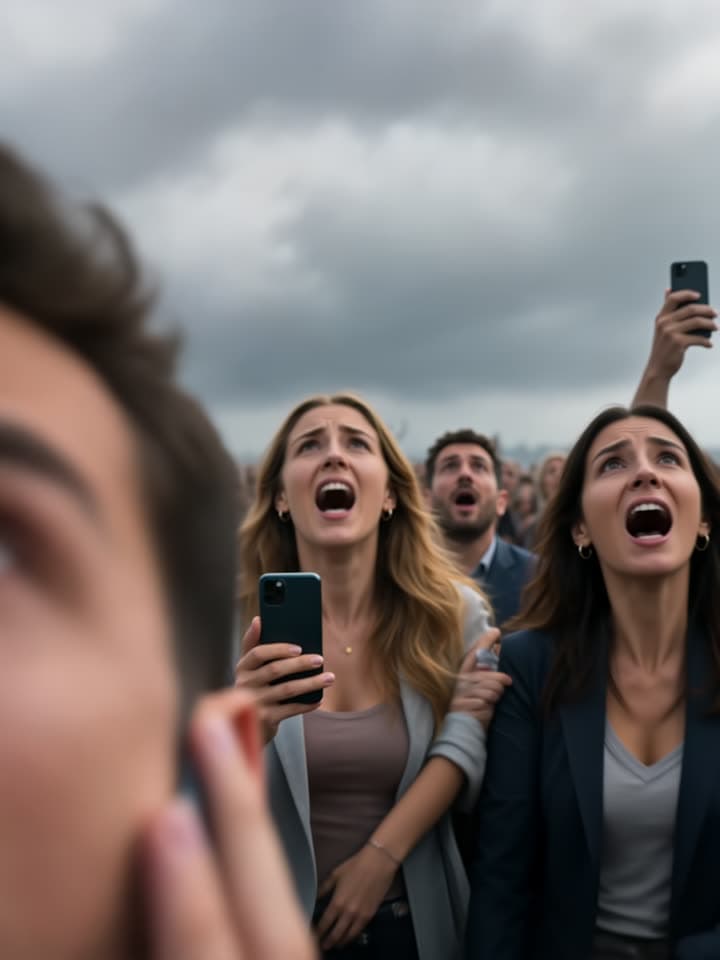
Four seconds built to stop a scroll — a vertical cut for Instagram and TikTok, made entirely with AI.
Not every film should be made this way — these are the cases where it plainly wins.
Entirely depends who makes it. The films on this page are real client work — the honest answer is to watch them and judge for yourself.
A short social film — days. A brand film with a script and a revision round — usually one to two weeks, and most of that time goes on approvals rather than generation.
Yes. Logos, product shots, photos of the place or existing footage all go in, and often that's exactly what gives the film its authenticity.
Narration in Hebrew or English, plus a silent version with subtitles — because a large share of social viewing happens with no sound at all.
It's delivered to you for full use across your channels. If an unusually broad commercial use is planned, we agree it in advance.
Yes, and it's part of what I teach. In a workshop your team leaves able to produce films like these themselves — which matters especially for organisations that need a steady flow of content rather than one film.